Understand
Health history, age, stage of life and nutritional priorities.
Nutrition that works beyond one person — supporting hair & skin, fertility and pregnancy, and the health of the people who sit around the same table.

A family rarely eats three different meals for three different people. We look at the individual needs inside the family while keeping the food practical, familiar and sustainable.
Health history, age, stage of life and nutritional priorities.
Build food routines that work across different family needs.
Adjust around work, school, travel, celebrations and changing seasons.
Make everyday food decisions easier for the whole household.
Keep the strategy useful when life gets busy or unpredictable.
A growing child, a working parent, a pregnant woman and an older family member may all need different nutritional priorities. The household still needs a plan it can actually live with.
Three focused programs covering appearance, reproductive health and the broader nutritional needs of the family.
 01
Build nutritional foundations around hair strength, skin health, hydration, protein and relevant micronutrient needs.
Explore → 02
Nutrition support across preconception, pregnancy and the changing demands of this important life stage.
Explore →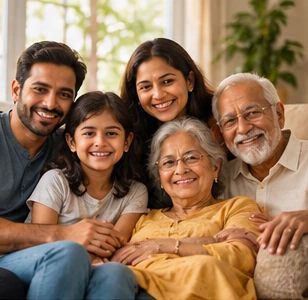 03
A practical family-wide approach covering children, adults, ageing family members, routines, meals and everyday wellbeing.
Explore →Understand health patterns and relevant concerns.
Map children, adults, pregnancy and ageing.
See what the household actually eats.
Work, school, sleep, activity and meal timing.
Identify where separate nutrition strategies matter.
Create a plan the household can implement.
Festivals, school exams, travel, pregnancy, weddings, new jobs, illness, holidays and changing schedules can all disrupt food routines. The strategy should have enough flexibility to move with the family.
Family health is tested outside the ideal week. We built this section around the situations that genuinely change what people eat, when they eat and how much support they need.

Changing appetite, nausea, family support, postpartum recovery and a new household rhythm.

Enjoy the event without turning a few celebration meals into an all-or-nothing cycle.
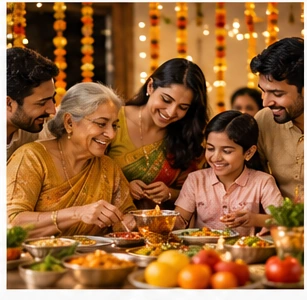
Traditional foods, sweets, social meals and practical balance across the week.

Breakfast, tiffin, concentration, activity and the chaos of changing school schedules.

Airport food, road trips, restaurant meals and keeping a few useful anchors in place.
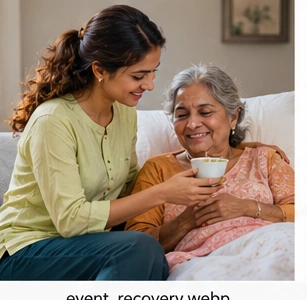
When appetite, digestion, mobility or meal preparation suddenly changes.
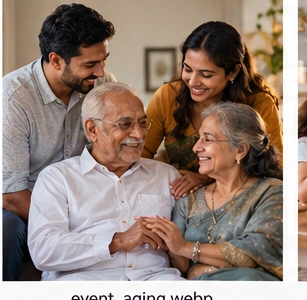
Protein, appetite, hydration, independence and practical care at home.
Build around the calendar people actually live.
Shared meals can still have individual portions and priorities.
Balance is built across patterns, not one meal.
The person preparing the food needs a sustainable system too.
Start with understanding. Then make the strategy practical enough that the household can keep using it when the calendar gets complicated.
Map health history, life stages, food patterns and household routines.
Identify shared meals and the points where individual needs require adjustment.
Translate nutrition priorities into meals, portions, routines and shopping decisions.
Give the household simple principles it can use without depending on a rigid menu forever.
Rework the strategy when health needs, schedules or life stages change.
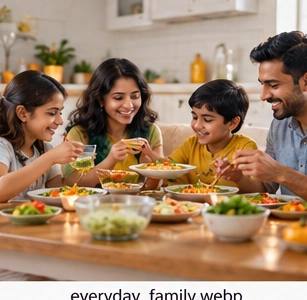
Keep familiar family foods while making the right nutritional adjustments.

Make activity part of the household rhythm, not another isolated task.
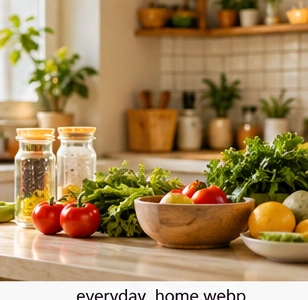
Build a home environment where healthy choices become easier for everyone.
Choose the pathway that fits your family's current needs and build from there.
Illustrative case stories based on the everyday situations families bring to nutrition consultations. Names and details are fictionalized and should be replaced with consented client stories before publication.