Preparing for pregnancy
Build supportive habits, review nutrient adequacy and create a realistic foundation before conception.
↗
Thoughtful, personalised nutrition for the journey to parenthood—supporting your changing needs, your wellbeing, and the little life growing with you.

Pregnancy brings meaningful changes—physically, emotionally and nutritionally. There is no single perfect plate or universal routine that works for everyone.
Our approach combines nutrition science with practical, culturally familiar food choices to help you make informed decisions, without adding pressure to an already significant chapter.
Meet your nutrition partner ↗Whether you’re preparing to conceive, expecting, or adjusting to life after birth, your plan begins with your individual needs.
Build supportive habits, review nutrient adequacy and create a realistic foundation before conception.
↗Adapt food, hydration and meal strategies as your needs and comfort change throughout pregnancy.
↗Practical nourishment for recovery, energy and breastfeeding, where applicable and desired.
↗Guidance shaped around dietary patterns, symptoms, clinical advice and personal circumstances.
↗Nutrition priorities can shift from one trimester to the next. Explore general areas we may consider together.

Early pregnancy can bring changes in appetite, taste, energy and digestion. We focus on practical ways to maintain intake and hydration while respecting what feels manageable.
Requirements vary by person and pregnancy. We help you understand key nutrients and how to discuss supplements with your healthcare team.
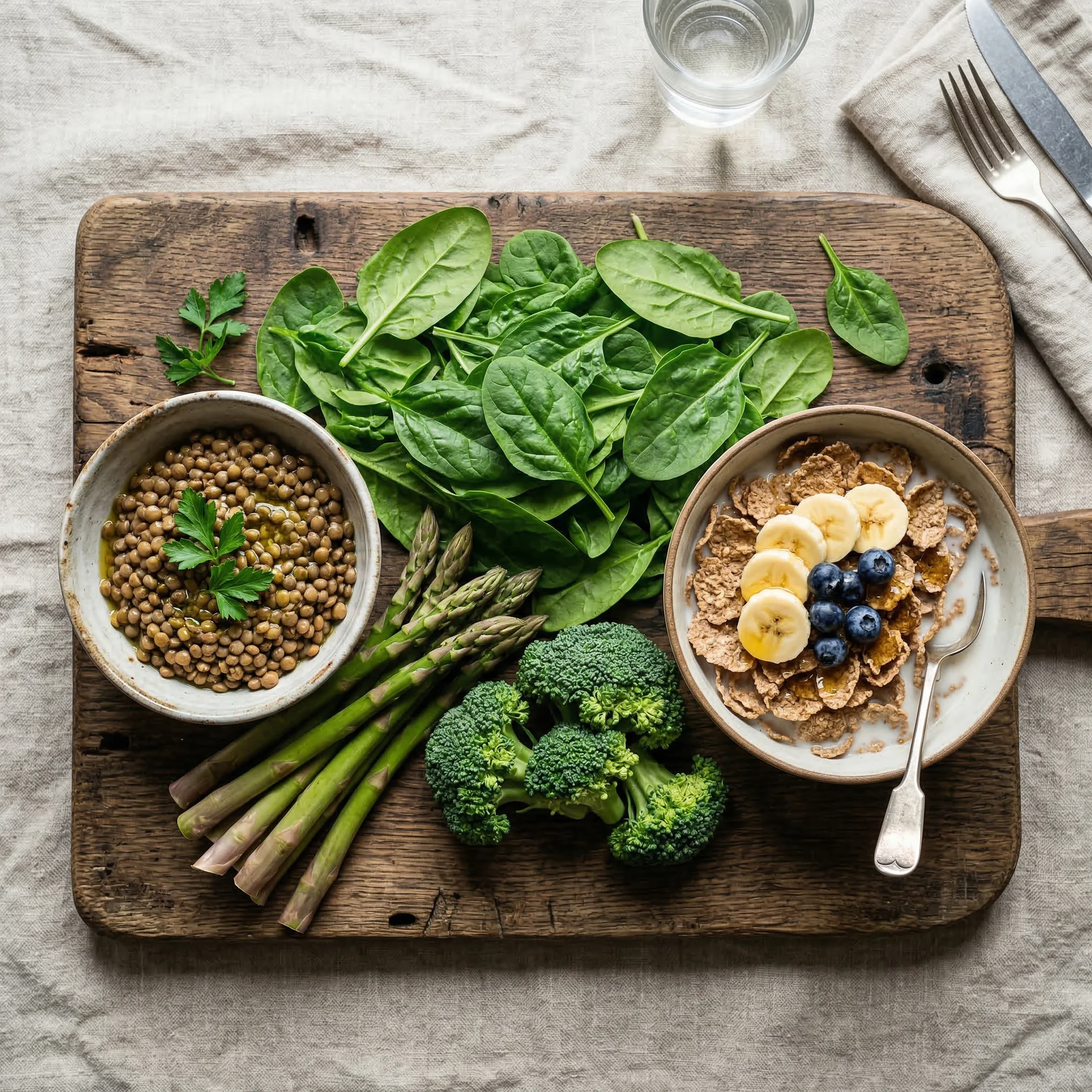 Cell growth
Important before conception and in early pregnancy for healthy neural tube development. Supplement guidance is individualised.
 Bone health
Support maternal bone health and fetal skeletal development, with attention to food sources and clinical recommendations.
 Oxygen transport
Support red blood cell production. Vegetarian and vegan diets may need particular attention to iron and B12 adequacy.
 Growth & repair
Contributes to maternal tissue changes and fetal growth. Sources can be adapted to your dietary pattern and tolerance.
 Development
DHA plays a role in fetal brain and eye development. Food options and supplementation can be discussed with your clinician.
 Daily function
Support digestive comfort and hydration. Simple adjustments can help with common changes in bowel habits.

Food preferences and digestive comfort can vary day to day. We help you explore manageable options, while recognising when symptoms need medical attention.
Persistent vomiting, dehydration, severe pain, bleeding or other concerning symptoms require prompt medical assessment.
A helpful starting point is variety across food groups, adapted to appetite, culture, access, symptoms and clinical needs. Your plate does not have to look identical at every meal.
Pregnancy advice can feel overwhelming. Reliable guidance is individual, evidence-informed and free from unnecessary fear.
More food is not automatically better at every stage.
Energy needs change over pregnancy and depend on individual factors. Focus on adequacy and quality with professional guidance.
Cravings are common, but do not define nutritional needs.
Respond with flexibility, while keeping overall nourishment, food safety and comfort in view.
Premium ingredients are not a requirement for balanced eating.
Familiar staples such as pulses, seasonal produce, grains and dairy or alternatives can be useful building blocks.
Needs can differ based on diet, tests and medical history.
Use supplements only as advised by your qualified healthcare professional; avoid self-prescribing.
Practical food-safety habits can reduce avoidable risk during pregnancy. Follow local public-health guidance and your clinician’s advice.

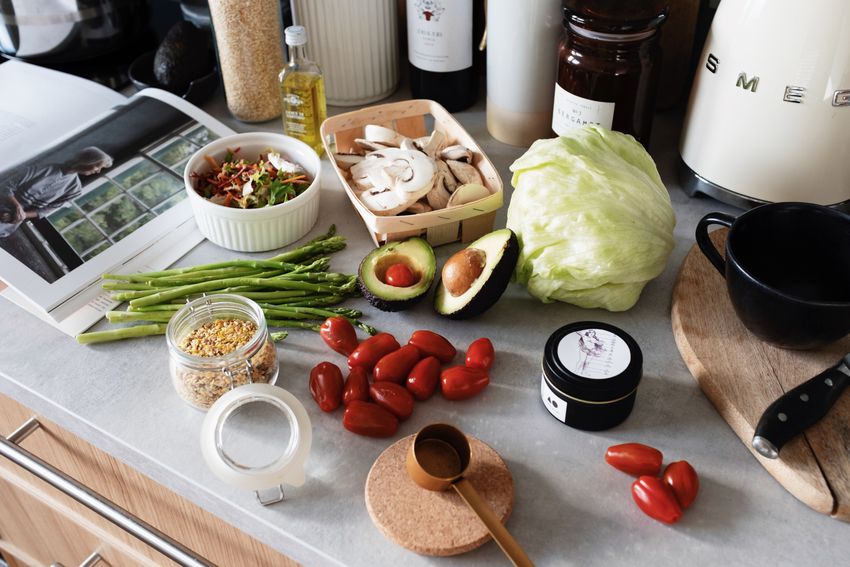
Wash produce under clean running water and keep preparation surfaces and hands clean.

Prefer pasteurised milk and dairy products, and store perishable foods at safe temperatures.
Cook meat, seafood and eggs thoroughly where consumed, and avoid cross-contamination.
Food-safety needs can depend on local guidance, food type and personal medical circumstances.
 The journey continues / after birth
After birth, nourishment matters for recovery, energy and—if you choose to breastfeed—lactation. Your needs, appetite, sleep and routines may all be in transition.
A supportive process that turns nutrition information into realistic choices you can use in everyday life.
We discuss your stage, food preferences, routine, concerns and relevant health context.
Agree on nutrition priorities and practical strategies suited to your needs and clinician’s advice.
Plan meals, snacks and adjustments around your culture, schedule, appetite and access.
Revisit what is working and adjust as your pregnancy or postpartum needs evolve.
Personalised nutrition is a collaborative process—built around your questions, your choices and your lived experience.
“You deserve guidance that makes you feel informed, respected and supported—not judged.”
AarogyaSage / Nutrition & wellness
We take time to understand your needs and explain the reasoning behind each recommendation.
Individual-first carePlans are designed to work with familiar foods and realistic routines—not add more pressure.
Practical by designYour care can evolve as symptoms, preferences, clinical advice and priorities change.
Flexible supportWe respect that every pregnancy and every family’s circumstances are different.
Respectful partnershipThese are service principles, not patient testimonials or clinical outcome claims.
Have questions about pregnancy nutrition support? Start with these common topics.
Talk to us directly ↗Support can begin while preparing for conception, during any trimester, or postpartum. Earlier planning may help you review food patterns and discuss relevant supplements with your clinician.
Yes. Guidance can be adapted to vegetarian, vegan and other dietary patterns, with particular attention to nutrients that may need closer review, such as vitamin B12, iron, calcium, iodine and omega-3 fats.
The format depends on your needs. You may receive meal structure ideas, food swaps, symptom-aware strategies or a more detailed plan. The aim is to provide a useful framework rather than rigid rules.
No. Nutrition counselling complements, but does not replace, antenatal care or medical treatment. Diagnosis, medication, investigations and pregnancy complications must be managed by your qualified medical team.
Nutrition support may be coordinated with your treating clinician for conditions such as gestational diabetes, anaemia or other medical concerns. Advice is tailored to the clinical plan and does not replace medical supervision.
We can help you understand nutrient considerations and prepare questions for your clinician. Supplement type, dose and use should be confirmed with your obstetrician or other qualified healthcare professional.
Personalised pregnancy and fertility nutrition, shaped around your life and guided by evidence-informed practice.