Hair strength & shedding
Explore dietary adequacy, protein intake, iron and other relevant factors alongside hair-care habits.
↗
Personalised nutrition and practical care for stronger hair, resilient skin and everyday confidence—grounded in your needs, not passing beauty rules.
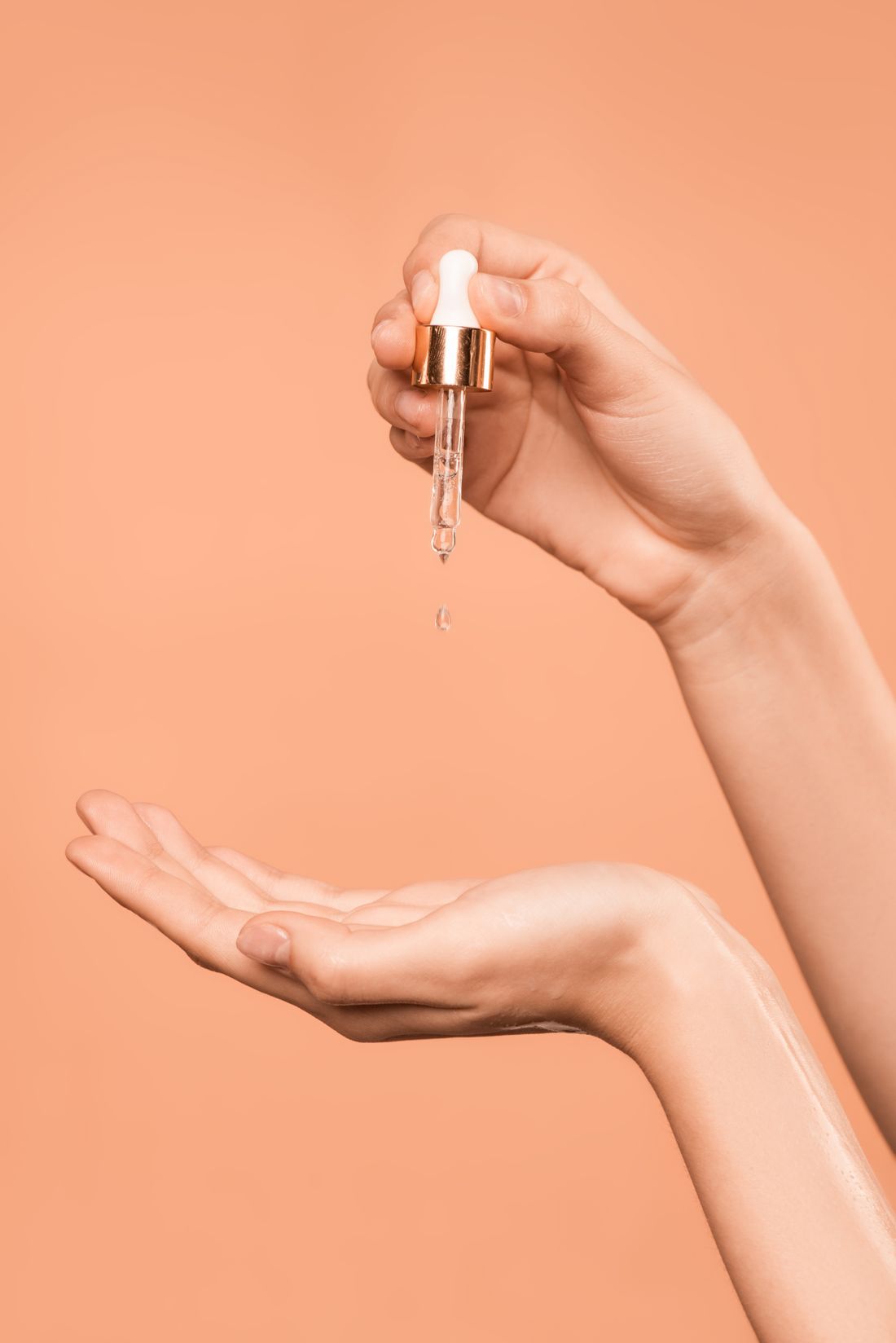
Hair and skin can reflect many influences, including genetics, hormones, stress, environment, health conditions and nutrition. There is no single perfect plate or universal routine that works for everyone.
Our approach combines nutrition science with practical, culturally familiar food choices to help you identify where nutrition may contribute, build realistic habits and recognise when medical assessment matters.
Meet your nutrition partner ↗Whether you are concerned about shedding, skin sensitivity, breakouts or changes over time, your plan begins with your individual needs.
Explore dietary adequacy, protein intake, iron and other relevant factors alongside hair-care habits.
↗Support skin function with balanced nourishment, hydration and practical routines.
↗Practical nourishment and realistic routines shaped around changing needs and personal circumstances.
↗Guidance shaped around dietary patterns, symptoms, clinical advice and personal circumstances.
↗Hair and skin needs can shift with age, hormones, health, stress and environment. Explore areas we may consider together.
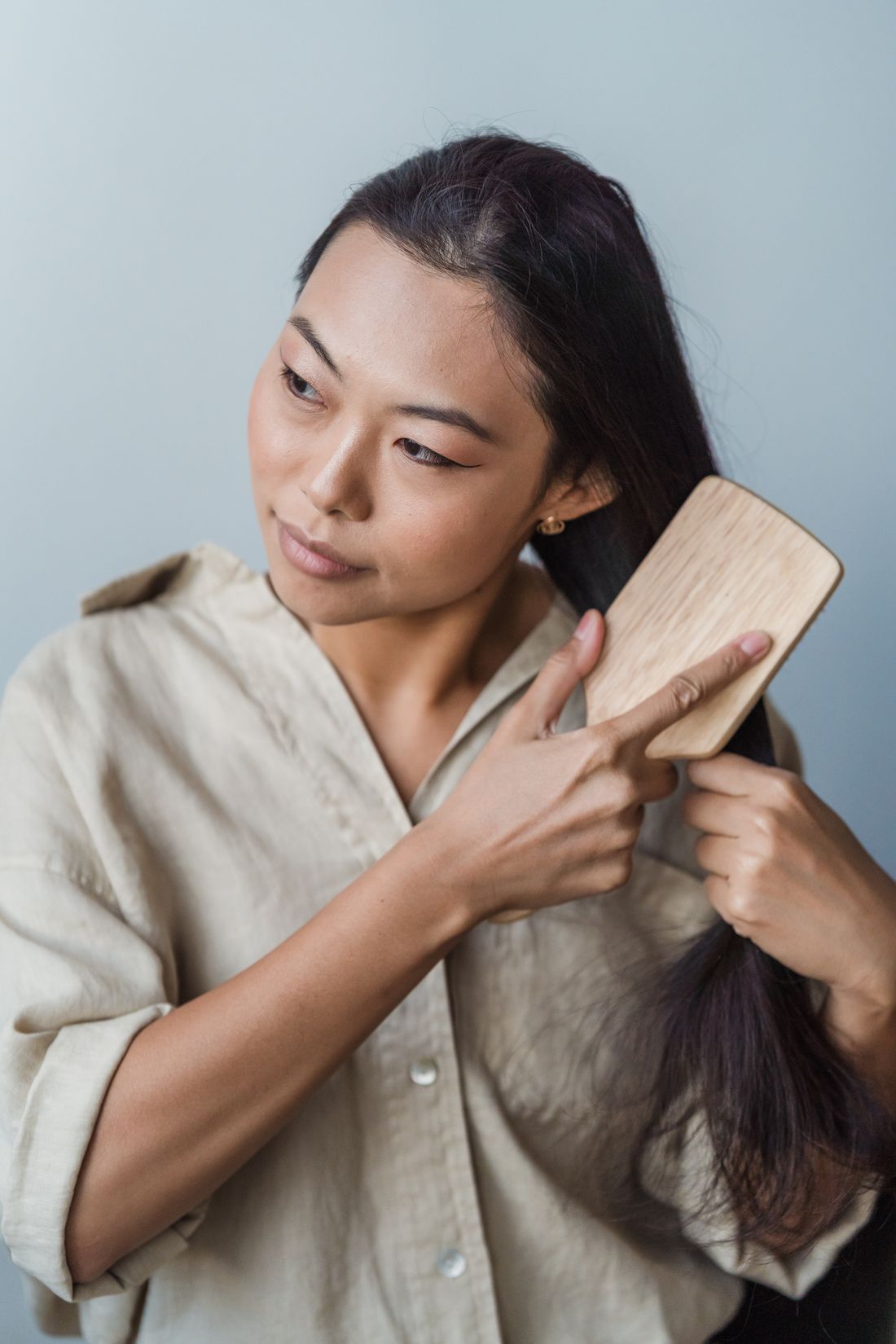
Hair shedding can relate to the growth cycle, nutrition, hormones, stress or health conditions. We consider the pattern and relevant context rather than assuming one cause.
Requirements vary by person and hair and skin. We help you understand key nutrients and how to discuss supplements with your healthcare team.
 Growth & repair
Protein supplies amino acids used to build hair structure and maintain skin tissue. Include varied sources such as dals, beans, dairy, tofu, nuts and seeds.
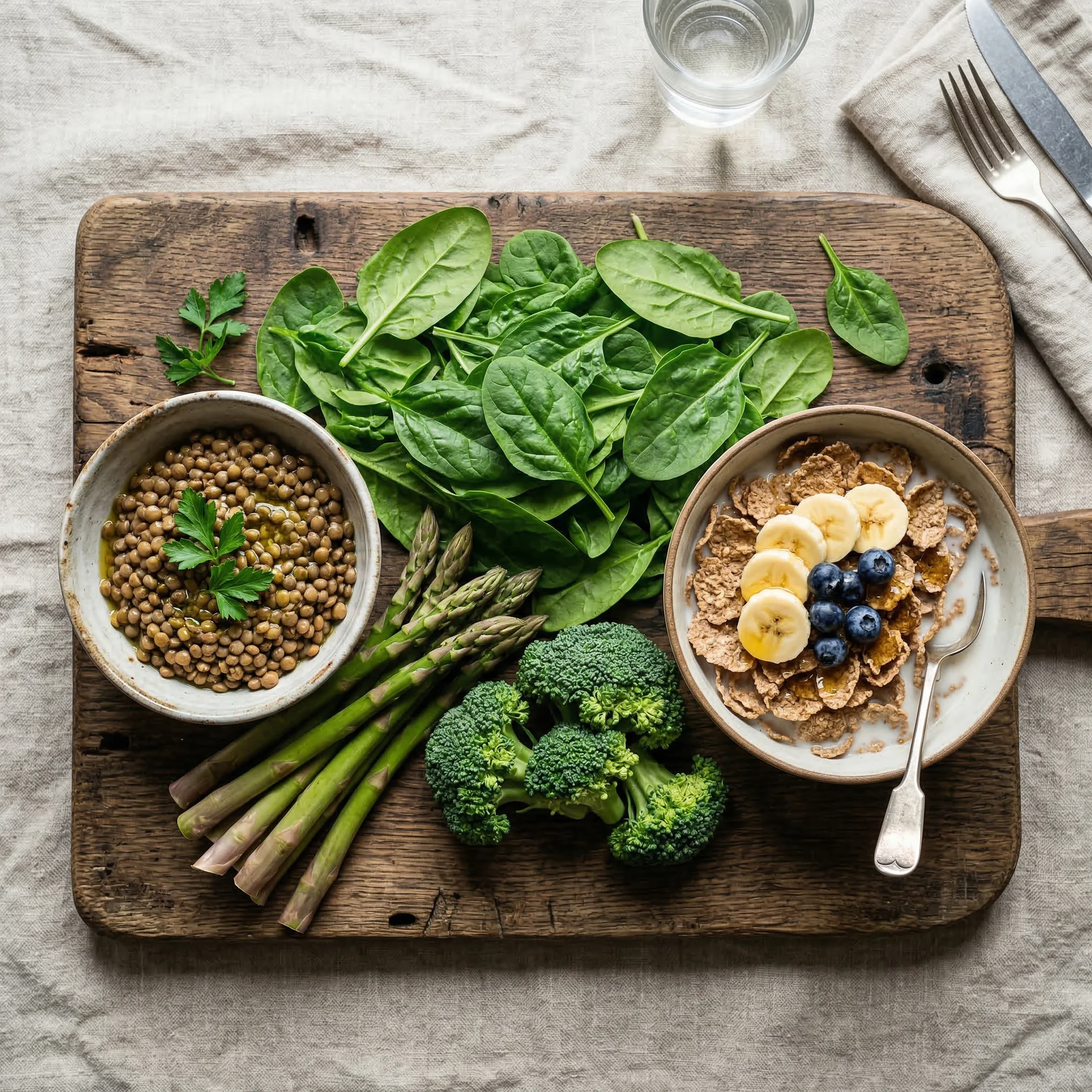 Cell protection
Vitamin C, vitamin E and plant compounds support normal skin function. A varied intake of vegetables and fruits helps provide a broad mix.
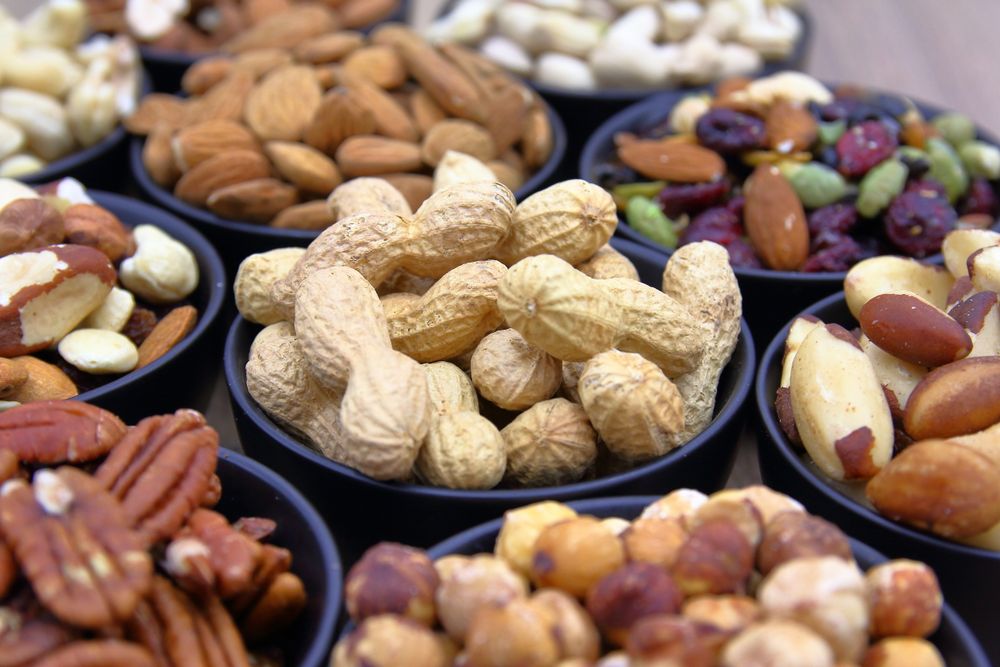 Follicle function
These micronutrients contribute to normal tissue maintenance and hair follicle function. Adequacy matters; supplements are best guided by individual assessment.
 Oxygen transport
Iron and B12 support healthy blood cell production. Vegetarian diets may need particular attention to intake and clinical assessment when symptoms or risks are present.
 Barrier support
Unsaturated fats support overall health and help maintain normal skin function. Nuts, seeds and suitable oils can be included in everyday meals.
 Daily function
Regular fluids and a balanced eating pattern support general wellbeing. Needs vary with climate, activity, health and individual circumstances.

Hair shedding, dryness, breakouts and sensitivity can have different explanations. We review patterns and relevant health context rather than assuming one cause.
Sudden, severe or persistent hair and skin changes, painful inflammation or signs of infection warrant medical assessment.
A helpful starting point is variety across food groups, adapted to appetite, culture, access, symptoms and clinical needs. Your plate does not have to look identical at every meal.
Hair & Skin advice can feel overwhelming. Reliable guidance is individual, evidence-informed and free from unnecessary fear.
No single supplement addresses every cause of hair shedding.
Hair changes can have many causes. Nutrient supplements are useful only when appropriate to the individual.
Restrictive detoxes are not a reliable approach to skin health.
A balanced, adequate eating pattern is more useful than restrictive cleanses.
Premium ingredients are not a requirement for balanced eating.
Familiar staples such as pulses, seasonal produce, grains and dairy or alternatives can be useful building blocks.
Needs can differ based on diet, tests and medical history.
Use supplements only as advised by your qualified healthcare professional; avoid self-prescribing.
Gentle, consistent habits can support comfort. Choose products and routines suited to your skin and scalp, and seek clinical advice for persistent or worsening concerns.
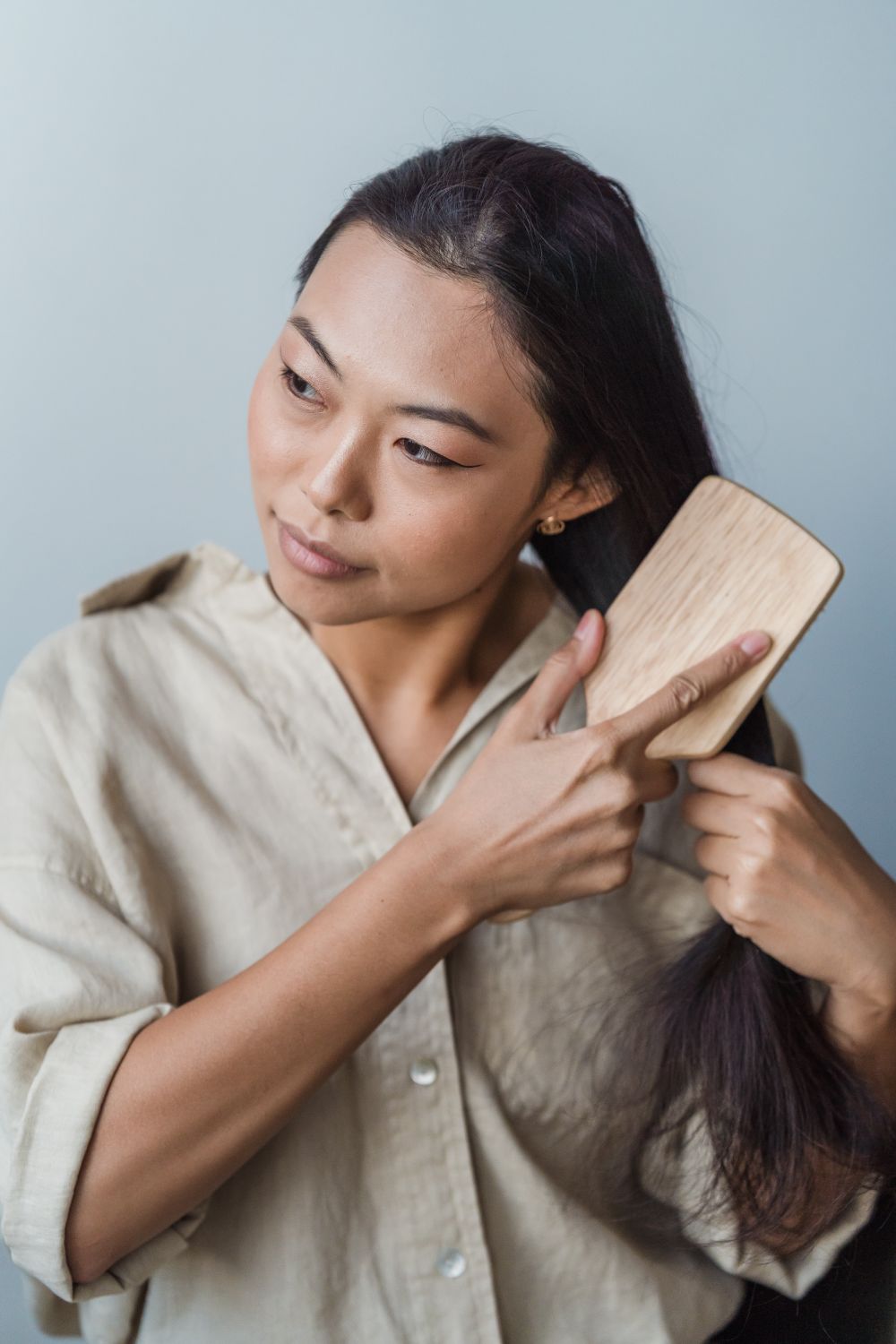
Use gentle cleansing and avoid harsh scrubbing or frequent changes in products.

Moisturise regularly and protect exposed skin from excessive sun using suitable sun protection.
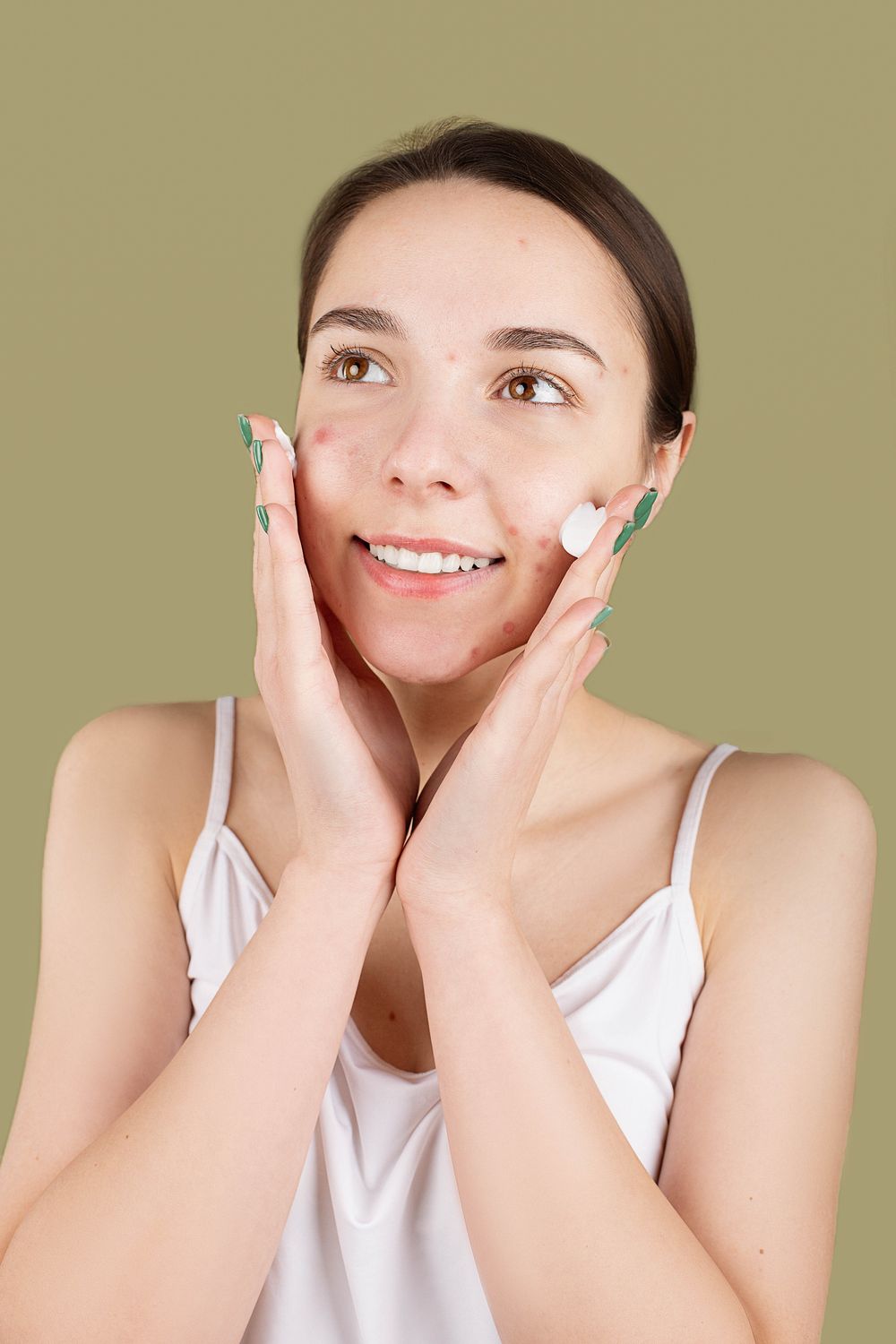
Avoid unverified treatments and seek advice for persistent irritation, pain or sudden changes.
Nutrition needs vary with dietary pattern, health history and clinical findings; avoid self-prescribing high-dose supplements.
 The journey continues / through life
Hair and skin can change with adolescence, adulthood, pregnancy, postpartum, perimenopause, ageing and other life events. Nutrition is one part of the picture; persistent or sudden changes may need medical assessment.
A supportive process that turns nutrition information into realistic choices you can use in everyday life.
We discuss your concerns, food preferences, routine, symptoms and relevant health context.
Agree on nutrition priorities and practical strategies suited to your needs and clinician’s advice.
Plan meals, snacks and adjustments around your culture, schedule, appetite and access.
Revisit what is working and adjust as your needs, symptoms and priorities evolve.
Personalised nutrition is a collaborative process—built around your questions, your choices and your lived experience.
“You deserve guidance that makes you feel informed, respected and supported—not judged.”
AarogyaSage / Nutrition & wellness
We take time to understand your needs and explain the reasoning behind each recommendation.
Individual-first carePlans are designed to work with familiar foods and realistic routines—not add more pressure.
Practical by designYour care can evolve as symptoms, preferences, clinical advice and priorities change.
Flexible supportWe respect that every hair and skin and every family’s circumstances are different.
Respectful partnershipThese are service principles, not patient testimonials or clinical outcome claims.
Have questions about hair and skin nutrition support? Start with these common topics.
Talk to us directly ↗You can seek support whenever you notice a persistent change or want to strengthen your everyday nutrition. Sudden or significant changes warrant medical assessment.
Yes. Guidance can suit vegetarian and vegan patterns, with attention to protein, iron, vitamin B12, zinc and other nutrients as appropriate.
The format depends on your needs. You may receive meal structure ideas, food swaps, symptom-aware strategies or a more detailed plan. The aim is to provide a useful framework rather than rigid rules.
No. Nutrition counselling complements, but does not replace, dermatological or other medical care. Diagnosis, investigations and treatment should be managed by a qualified clinician.
Nutrition support may complement clinician-led care when a health condition contributes to hair or skin changes. It does not replace diagnosis or treatment.
Not automatically. Supplement decisions depend on dietary intake, symptoms, risk factors and clinical assessment. Avoid high-dose supplements without professional guidance.
Personalised hair and skin nutrition, shaped around your needs and guided by evidence-informed practice.